

When Dieting Works — But Your Body Shape Doesn’t Change
If you’re eating well, moving your body, and still not losing inches, you’re not imagining it — and you’re not failing.
For many people, especially after 40 or during hormonal change, the issue is not fat.
It’s what the body is holding onto.
This page explains why inches won’t shift, what’s really happening inside the body, and what actually helps when weight loss alone isn’t enough.
The Difference Between Weight Loss and Inch Loss
Weight loss and inch loss are not the same thing.
You can:
🟣 Lose weight on the scale
🟣 Eat clean
🟣 Exercise regularly
…and still have:
🟣 A swollen stomach
🟣 Puffy thighs or arms
🟣 A thickened waist
🟣 A body that feels tight, not lean
That’s because inches are often caused by fluid retention, tissue congestion, and stress-related holding, not just fat.

The 5 Most Common Reasons Inches Won’t Shift
1. Fluid Retention Disguised as Fat
One of the most common reasons people can’t lose inches is excess fluid trapped in the tissues.
This can be caused by:
🟣 Poor lymphatic drainage
🟣 Hormonal fluctuations
🟣 Inflammation
🟣 Sitting for long periods
🟣 Stress and cortisol
Fluid retention makes the body feel:
🟣 Bloated
🟣 Heavy
🟣 Swollen
🟣 Resistant to change
And crucially — dieting does not release it.
2. Lymphatic Congestion
The lymphatic system is responsible for:
🟣 Moving fluid
🟣 Removing waste
🟣 Supporting immune and tissue health
Unlike the circulatory system, it has no pump.
It relies on:
🟣 Movement
🟣 Breath
🟣 Relaxation
When the lymphatic system is sluggish:
🟣 Fluid pools in the tissues
🟣 The body appears larger and softer
🟣 Inches increase even without weight gain
This is why many people notice:
“My weight hasn’t changed — but my body looks bigger.”
3. Stress & Cortisol Holding
Chronic stress tells the body to hold on, not release.
Elevated cortisol can:
🟣 Increase fluid retention
🟣 Slow lymphatic flow
🟣 Encourage abdominal holding
🟣 Prevent visible reshaping
This is especially relevant if you:
🟣 Train hard but feel inflamed
🟣 Diet strictly but look puffy
🟣 Feel wired, tired, or tense
In these cases, pushing harder often makes things worse.
4. Hormonal Changes (Especially After 40)
During peri-menopause and menopause:
🟣 Oestrogen fluctuations affect fluid balance
🟣 Tissue elasticity changes
🟣 The body redistributes weight and water
This often shows up as:
🟣 A thicker waist
🟣 Lower belly bloating
🟣 Softer tissue tone
Traditional weight-loss advice rarely addresses this — which is why so many women feel betrayed by their bodies during this stage.
5. Treating the Body Like a Face
Most body care is cosmetic, not functional.
Creams may soften the skin, but they:
🟣 Don’t affect lymphatic flow
🟣 Don’t release fluid retention
🟣 Don’t change tissue congestion
Body reshaping requires treatment-level care, not surface skincare.
Why Eating Less and Exercising More Often Doesn’t Work
When inches are caused by:
🟣 Fluid retention
🟣 Stress holding
🟣 Hormonal shifts
More restriction can:
🟣 Increase cortisol
🟣 Slow recovery
🟣 Encourage rebound swelling
This is why many people experience:
“I look smaller in the morning — and swollen again by evening.”
The body isn’t resisting you.
It’s protecting itself.
So What Actually Helps You Lose Inches?
Inch loss happens when the body is supported to release, not forced to shrink.
That means:
✔️ Encouraging lymphatic drainage
✔️ Reducing stress signals
✔️ Supporting circulation
✔️ Working with hormonal changes
This is where professional-grade body treatments come in.
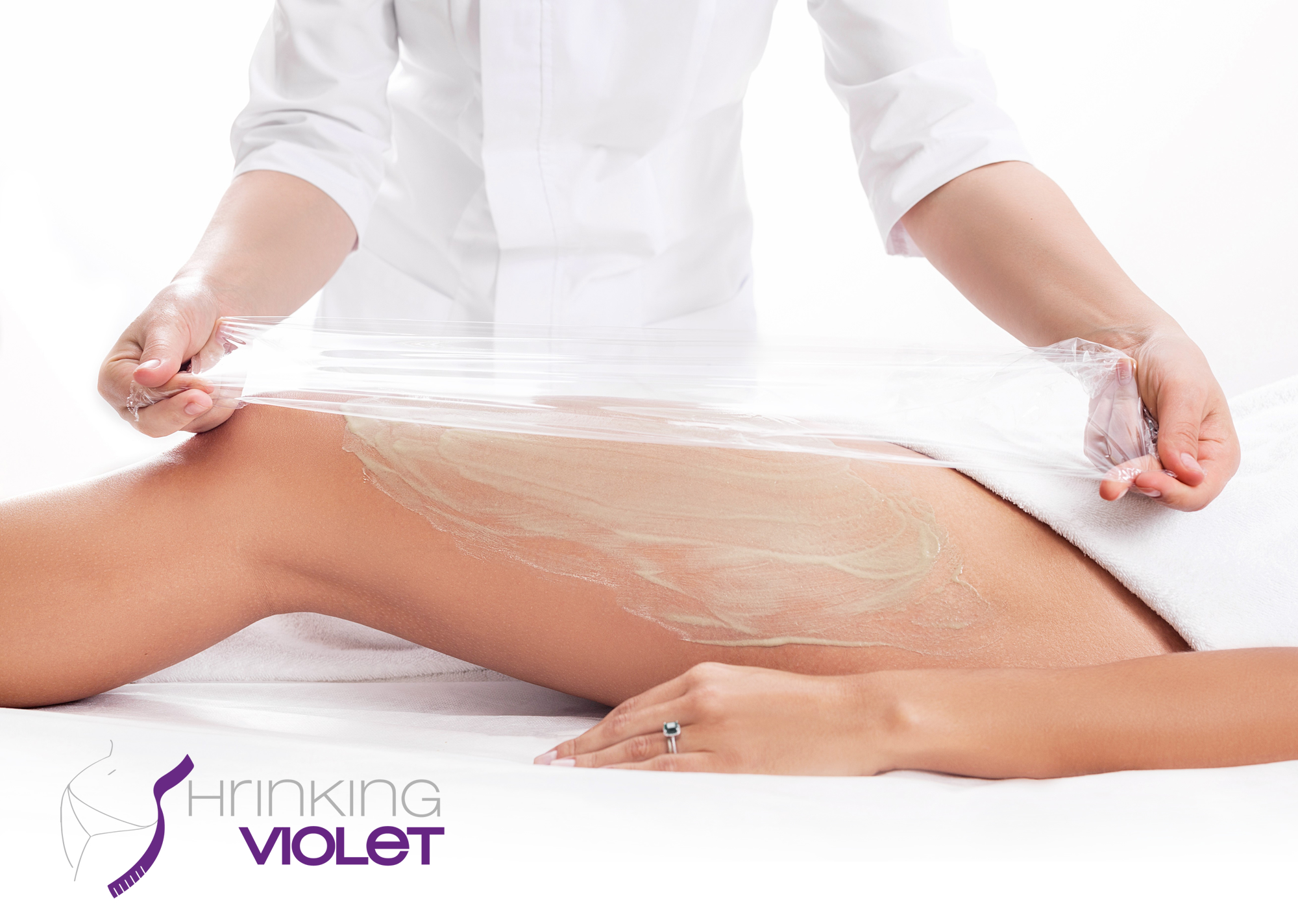
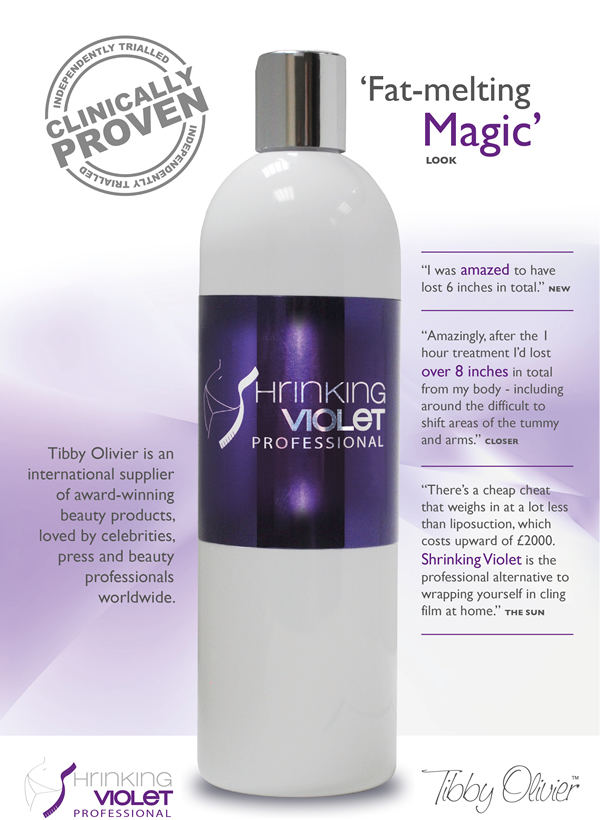
How Shrinking Violet Supports Inch Loss
Shrinking Violet is designed specifically for bodies that:
✔️ Won’t respond to dieting alone
✔️ Hold fluid easily
✔️ Change during midlife
✔️ Need release, not aggression
It works by:
✔️ Supporting lymphatic movement
✔️ Reducing fluid retention
✔️ Encouraging visible reshaping
✔️ Allowing the body to decompress
Many clients see measurable inch loss after the first treatment, particularly across the stomach, waist, thighs, and arms.
It’s not about punishment.
It’s about intelligent release.
If You’re Thinking “This Sounds Like Me…”
You’re not alone.
And you’re not broken.
Inch loss requires a different approach than weight loss — especially as the body evolves.
Understanding why your body is holding on is the first step.
Supporting it to let go is the next. 🪻


